The Charm of Visiting a Cuban Bakery in Aurora CO
@elliotqlsu892
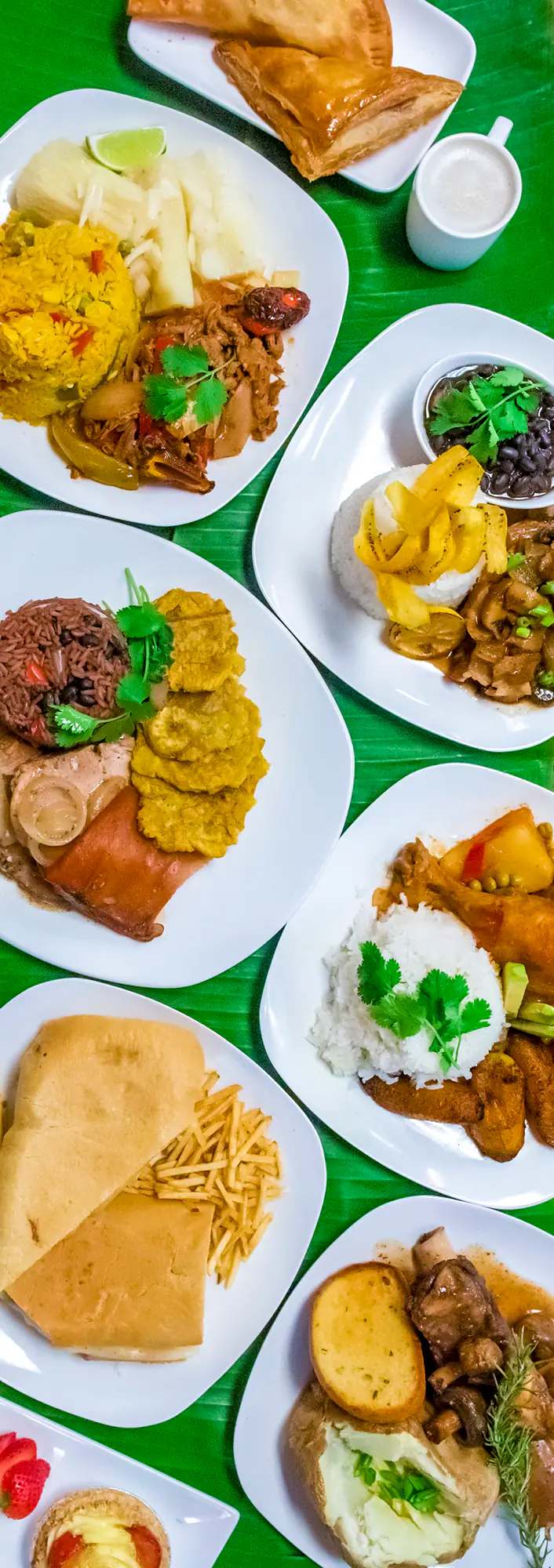
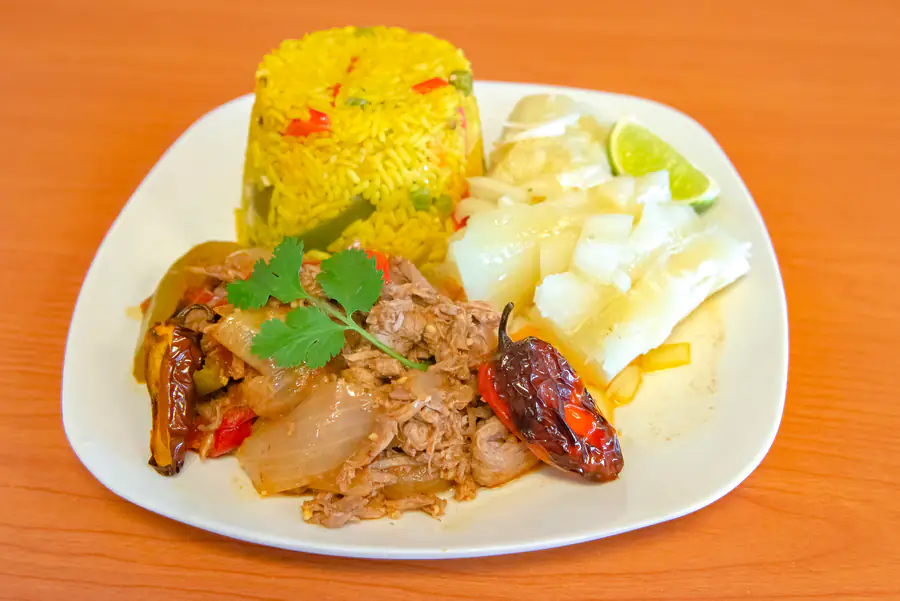
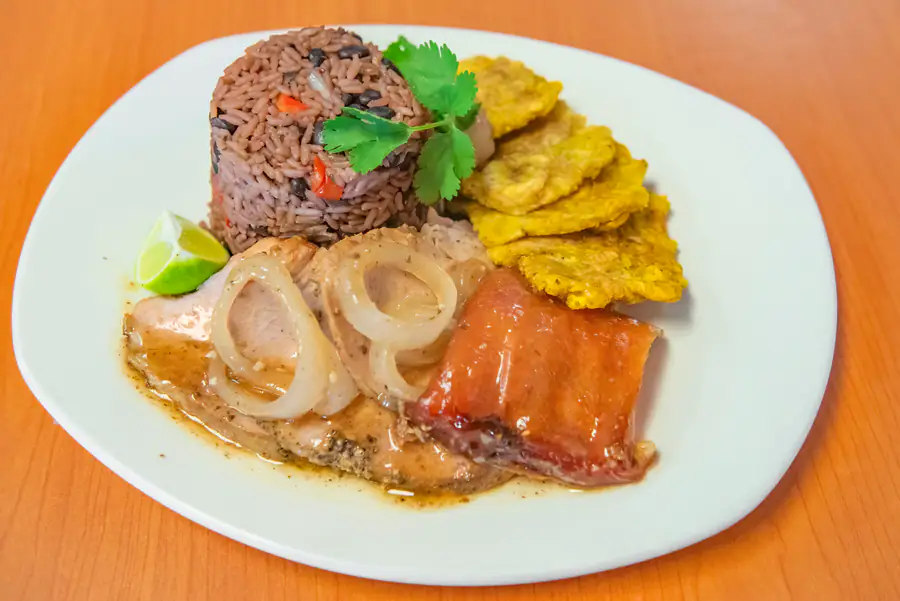
There are some places that do more than sell food. They pull you into a rhythm, a way of gathering, a pocket of memory that feels larger than the room itself. A good Cuban bakery has that quality. The best ones are busy without seeming rushed, warm without trying too hard, and full of details that reward anyone willing to slow down for a few minutes. Visit a Cuban bakery in Aurora CO, and you quickly realize you are not just stopping for breakfast or an afternoon coffee. You are stepping into a small but vivid cultural experience.
Aurora is a city that wears its diversity plainly and proudly. Its neighborhoods, strip malls, side streets, and family-run storefronts have a lived-in practicality that often hides the best meals in plain sight. That matters when you talk about bakeries, because bakeries thrive on routine. They become part of the weekly pattern. People stop in before work, after school, on the way to church, or while picking up dinner ingredients nearby. Over time, a bakery becomes less of a business and more of a local reference point. “Meet me there” means something.
That is part of the charm. The rest, of course, is in the food.
More than bread in a display case
Anyone unfamiliar with Cuban baking sometimes expects a standard pastry shop with a few tropical touches. That misses the point. A Cuban bakery tends to feel more like a crossroads, part bakery, part cafe, part neighborhood conversation. The case usually holds a mix of sweet pastries, savory options, breads, and desserts that reflect both Cuban tradition and the adaptation that naturally happens in immigrant communities. You might come in for one thing and leave with three, not because of impulse alone, but because the aromas make a strong argument.
Fresh bread announces itself first. Cuban bread, when done well, has a delicate crust and a light interior that tears cleanly in the hand. It is not the kind of bread that asks for ceremony. It asks to be eaten warm, split open, used for sandwiches, or taken home in a paper sleeve that grows translucent in spots from residual heat. The practical beauty of it is part of its appeal. It belongs at breakfast, lunch, and late at night.
Then there are the pastries. A proper display is usually colorful but not fussy. Guava, cream cheese, coconut, and custard show up often, folded into flaky doughs or tucked into soft pastries that are sweet without becoming cloying. Texture does a lot of the work. The contrast between crisp layers and jammy fruit filling is hard to overstate. So is the simple pleasure of pairing one of those pastries with strong coffee.
Savory items deserve equal respect. Ham croquettes, meat pies, empanadas, and stuffed pastries often share space with the sweets. This balance tells you something important about Cuban bakery culture. It is not built only around dessert. It is built around appetite, convenience, hospitality, and comfort. People come hungry, and the bakery expects that.
The pull of the pastry case
Every bakery has a visual language. In a Cuban bakery, the pastry case often acts like a form of storytelling. It shows what the community loves, what sells out by midmorning, and what people bring home for family gatherings. You can learn a surprising amount by standing back for five minutes and watching what regulars order without hesitation.
The classics tend to earn that loyalty. Pastelitos de guayaba, often paired with cream cheese, are among the most recognizable. They hit the ideal balance that so many bakeries chase and so few achieve: buttery pastry, bright fruit, enough sweetness to feel indulgent, and enough restraint to invite a second bite. A child may choose one because it looks glossy and inviting. An adult may choose it because the flavor carries memory.
That is another reason a Cuban bakery in Aurora CO stands out. It provides continuity. For Cuban families, or for anyone who grew up https://linktr.ee/cubabakeryandcafe around Caribbean baking, these pastries are not novelty items. They are familiar markers of home. For everyone else, they are an introduction that feels welcoming rather than exclusive. You do not need a background in Cuban cuisine to appreciate a good pastelito. You just need taste buds and a little curiosity.
I have always thought the strongest bakeries reveal themselves in small moments. The person ahead of you orders a box “for the office,” then quietly adds two extra pastries for the drive. Someone asks whether the next tray of croquetas is coming out soon and gets an answer that sounds like a conversation between old friends. A family debates whether to bring home flan or tres leches, then wisely chooses both. None of that is staged. It is the ordinary theater of a place that matters to people.
Coffee is not an accessory
No serious discussion of a Cuban bakery works without coffee. Not as a side note, and not as a generic cafe offering. Coffee is central to the experience. The style tends to be bold, dark, and purposeful. Even a small cup carries weight. It wakes you up, yes, but it also anchors the visit.
A Cuban coffee order often shapes the pace of the room. Some people stand for a moment, drink, talk, and head out. Others linger with pastries or a sandwich. The coffee itself is usually prepared with confidence rather than flourish. It does not need performance. What matters is strength, temperature, and consistency.
Cafe Cubano, cortadito, and cafe con leche all have their place, depending on the hour and the appetite. Early in the day, cafe con leche with toasted bread feels almost architectural in its balance, milk softening the coffee just enough, bread adding substance without heaviness. Midday may call for a cortadito, smaller and more concentrated. On a cold Aurora morning, that first sip can be startling in the best way.
There is a practical side to this too. Great bakery coffee supports the food rather than competing with it. Sweet pastries taste brighter beside a serious espresso base. Savory items benefit from the contrast. Even a simple cookie or slice of cake can feel more complete next to a cup that was made with care.
Why Aurora is a fitting home for it
Aurora is not trying to be a postcard version of itself. That is one of its strengths. It is broad, busy, layered, and deeply shaped by the people who live there. Good food businesses survive in that environment because they serve real needs. They cannot rely on novelty for long. They need repeat customers, steady quality, and prices that make sense for working households.
That reality suits a Cuban bakery. Cuban baking traditions are rooted in everyday life. Bread is daily food. Pastries can be celebratory, but they are also ordinary in the best sense, something you grab on the way to work or bring to a gathering without making a speech about it. Sandwiches are filling and practical. Coffee is a necessity. In a city like Aurora, where people prize value and authenticity, this approach lands naturally.
The phrase Cuban bakery Aurora CO may sound like a search term on a screen, but behind it is a much more tactile experience: trays coming out warm, sugar on fingertips, conversations happening in English and Spanish, someone carrying a white pastry box tied with string or sealed with a sticker. Local food scenes are often described in broad terms, yet their actual meaning lives in details like that.
Aurora also benefits from a customer base that is unusually open to culinary cross-pollination. People who may have grown up with Mexican pan dulce, Vietnamese banh mi, Ethiopian coffee ceremonies, or classic American donuts are often ready to try something new, especially when it is affordable and recommended by neighbors. A strong Cuban bakery can thrive in that kind of environment because it offers both comfort and discovery.
The scent of butter, sugar, and toasted bread
A bakery either smells right or it does not. That may sound obvious, but scent is often the first honest indicator of what waits behind the counter. In a Cuban bakery, the best aromas come in layers. Butter from laminated pastry. Sweet fruit from guava filling. Toasting bread. Ham and pastry dough warming together. Fresh coffee cutting through all of it with a dark roasted edge.
That mix does more than stimulate appetite. It creates anticipation. When a bakery smells alive, people become more patient, more willing to ask questions, more likely to return. It is one of the least discussed parts of customer experience and one of the most powerful. The memory of a good bakery often starts with smell before taste ever has a chance.
There is also something deeply reassuring about a busy bakery that still smells fresh. It suggests turnover. It suggests trays do not sit untouched for hours. It suggests the kitchen is active. Experienced bakery regulars notice that immediately. They look for steam on the windows in winter, warmth in the bread bags, and that unmistakable fragrance near the door that tells you the place is producing, not just displaying.
A place where generations overlap
One of the finer qualities of a Cuban bakery is how naturally it serves different ages at once. Grandparents recognize flavors from decades ago. Parents pick up breakfast and bread for the house. Teenagers come in for sweet pastries and cold drinks. Young children press their hands to the glass and point with great seriousness at whichever item shines the most.
That overlap gives the room a distinctive energy. It is not curated youthfulness, and it is not nostalgia frozen in amber. It is an active handoff between generations. Recipes endure because they remain useful, delicious, and emotionally resonant. A bakery makes that handoff visible.
You can often hear it in the ordering. Someone asks for the pastry they used to eat as a kid. Another person requests enough croquetas for a family party. A parent translates the names of items for a child, then adds a recommendation based on memory. This is one reason bakeries matter beyond commerce. They carry habits forward. They make culture edible and ordinary.
In Aurora, where many families are balancing heritage with adaptation, that role becomes even more meaningful. A Cuban bakery can be a bridge. It offers one group a taste of home while giving another group an approachable entry point into it.
What first-time visitors should notice
The smartest way to visit a bakery for the first time is to stay observant. Do not rush straight to the most familiar pastry. Look at what is nearly gone. Listen to what people order in multiples. Ask what came out recently. The answers are usually more useful than any menu board.
A few details are worth paying attention to:
- Watch the bread turnover. If bread is moving quickly, that is often a strong sign of regular local demand.
- Notice whether savory items look actively replenished rather than static.
- Ask which pastry is the house favorite, then compare it with what regulars are buying.
- Pair one sweet item with one savory item and coffee, so you get a fuller sense of the bakery’s range.
- If you are bringing food home, ask what holds up best for the drive and what should be eaten immediately.
That last point matters more than people think. Some pastries are at their absolute peak within the first hour or two after baking. Others travel well and even improve slightly as flavors settle. Knowing the difference can turn a decent first visit into a memorable one.
The quiet skill behind simple food
Bakery food can seem straightforward until you try to produce it consistently. Then the craftsmanship becomes clear. Dough has moods. Fillings need the right thickness. Humidity changes texture. Oven timing is unforgiving. Coffee preparation is sensitive to grind, extraction, and volume. The line between flaky and dry, crisp and overbaked, rich and greasy, is surprisingly thin.
That is why the best bakeries earn respect from anyone who has worked in food. Simplicity is hard. Repetition is hard. Managing a morning rush while maintaining quality is especially hard. If a bakery can send out tray after tray of pastries that are uniformly baked, sandwiches that taste balanced, and coffee that hits the same note every day, it is doing skilled work.
Customers may not always articulate this, but they feel it. They come back because the place is dependable. Dependability is one of the least glamorous virtues in food and one of the most important. A single flashy dessert can create a social media moment. Reliable bread and pastries create a customer base.
Sandwiches, snacks, and the meal you did not plan on
Many people walk into a bakery expecting a small treat and end up eating a full meal. Cuban bakeries encourage that shift. The menu often moves naturally from pastry to sandwich to coffee to dessert without feeling disjointed. You might start with a croqueta while waiting, then decide a pressed sandwich sounds too good to pass up, then add flan for later because restraint has limits.
The Cuban sandwich, when available and properly handled, deserves attention. It is a study in proportion more than excess. The bread must be right or nothing else matters. The pressed exterior should crisp without shattering. The meat, cheese, pickles, and mustard should stay distinct while still reading as one bite. A poor version tastes compressed. A good one tastes focused.
This is where a bakery can quietly outshine larger restaurants. It has the bread advantage. Fresh bread changes everything. A sandwich built on bread made in-house, or made with serious care, has structural integrity and flavor that chain operations rarely match. The difference is noticeable from the first bite.
Savory snacks also play an important supporting role. Croquetas are a classic example. They seem modest, almost too humble to discuss at length, until you get one that is crisp outside, creamy inside, and properly seasoned. Then you understand why people order a dozen at once. They are useful food, party food, comfort food, and road trip food all at the same time.
Hospitality you can feel without fanfare
The best neighborhood bakeries have a certain tone at the counter. It is efficient but not cold. Warm but not forced. Staff members often juggle many things at once, packaging pastries, answering questions, pouring coffee, calling out orders, and handling familiar customers who want “the usual.” There is skill in making that feel smooth.
Hospitality in this setting rarely looks theatrical. It shows up in practical gestures. Someone explains the difference between two pastries without rushing you. A recommendation comes with honesty rather than a sales pitch. An employee tells you which item is freshest at that moment. If you are new, they help you order. If you are a regular, they remember your preference. This kind of service builds loyalty more effectively than polished branding ever could.
That is another part of the charm of a Cuban bakery in Aurora CO. It often feels earned rather than engineered. The welcome is real because the business depends on relationships, not just transactions.
Why people return, again and again
Plenty of places can impress once. Far fewer become part of a person’s routine. Bakeries that last usually succeed because they occupy several roles at once. They provide breakfast on hurried mornings, pastries for office meetings, dessert for family dinners, and bread that makes tomorrow’s sandwich better. They also provide something harder to measure, a sense of familiarity that steadies the week.
For some customers, the draw is cultural connection. For others, it is simply quality and value. For many, it becomes both. They may first visit out of curiosity and return because the food is excellent. Over time, the bakery joins the map of their life. It becomes the place they stop before a road trip, the place they bring visiting relatives, the place they trust for a last-minute box of pastries when they do not want to arrive empty-handed.
That pattern says more than any review can. It means the bakery has crossed from novelty into necessity.
A small room that holds a lot
The phrase “local gem” gets overused, but some places truly earn it. A Cuban bakery does not need a grand setting to leave a lasting impression. A few tables, a busy counter, the scent of fresh bread, a glowing pastry case, and coffee poured with confidence can be enough. In fact, part of the appeal is that the experience remains grounded. It is tactile, immediate, and refreshingly unpretentious.
In Aurora, that grounding matters. People tend to appreciate places that know what they are and do it well. A bakery that focuses on flavor, consistency, hospitality, and tradition fits that ethos perfectly. It offers pleasure without fuss, culture without stiffness, and comfort without apology.
Visit once, and you may remember the guava pastry or the coffee. Visit a few times, and you start noticing the deeper charm: the families carrying out boxes for gatherings, the regulars exchanging greetings, the fresh tray arriving at just the right moment, the way the room seems to hold both movement and ease. That is when a bakery stops being just a place to buy bread.
It becomes part of the neighborhood’s daily heartbeat, and that is something worth seeking out.
Cuba Bakery & Café
15028 E Mississippi Ave, Aurora, CO 80012
+1 303-752-2822
FAQ About Cuban bakery Aurora CO
What are Cuban pastries called?
Many small Cuban pastries are called pastelitos. They can have sweet or savory fillings, such as guava, cheese, guava and cheese, or seasoned meat. Cuba Bakery & Café lists guava, cheese, guava-and-cheese and beef pastries on its menu. Ask the bakery about current availability and ingredients when ordering.
What are traditional Cuban pastries?
Common Cuban bakery choices include flaky pastelitos filled with guava, cheese or meat. Cuban bakeries may also offer empanadas, breads and desserts alongside coffee. Cuba Bakery & Café lists pastelitos, several empanada fillings, pan Cubano and desserts such as tres leches and bread pudding. Selection can vary, so confirm the day's choices with the bakery.
What makes Cuban bread different?
Cuban bread is known for its light interior and a thin crust that becomes crisp when toasted or pressed. Traditional recipes often use lard, although ingredients vary by baker. It is commonly served as buttered toast or used for Cuban sandwiches. Cuba Bakery & Café lists pan Cubano and tostada on its menu; ask staff about the ingredients in their bread if you have dietary restrictions.